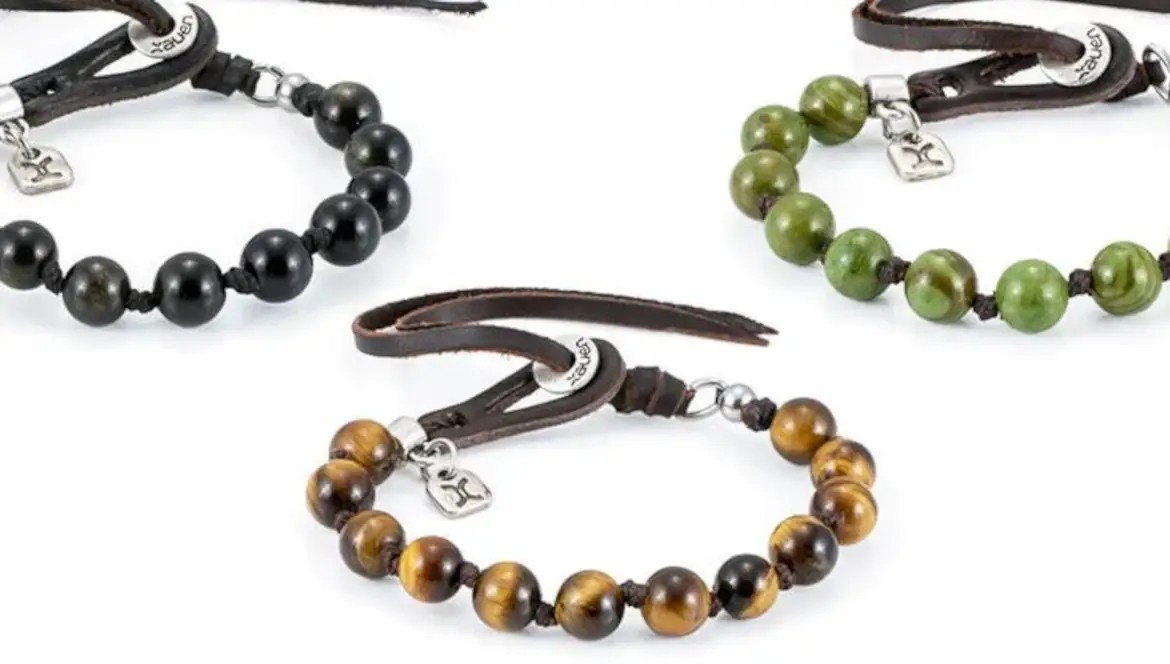

Sustainable Craftsmanship: Why Choose It and How It Impacts | Xauen Original
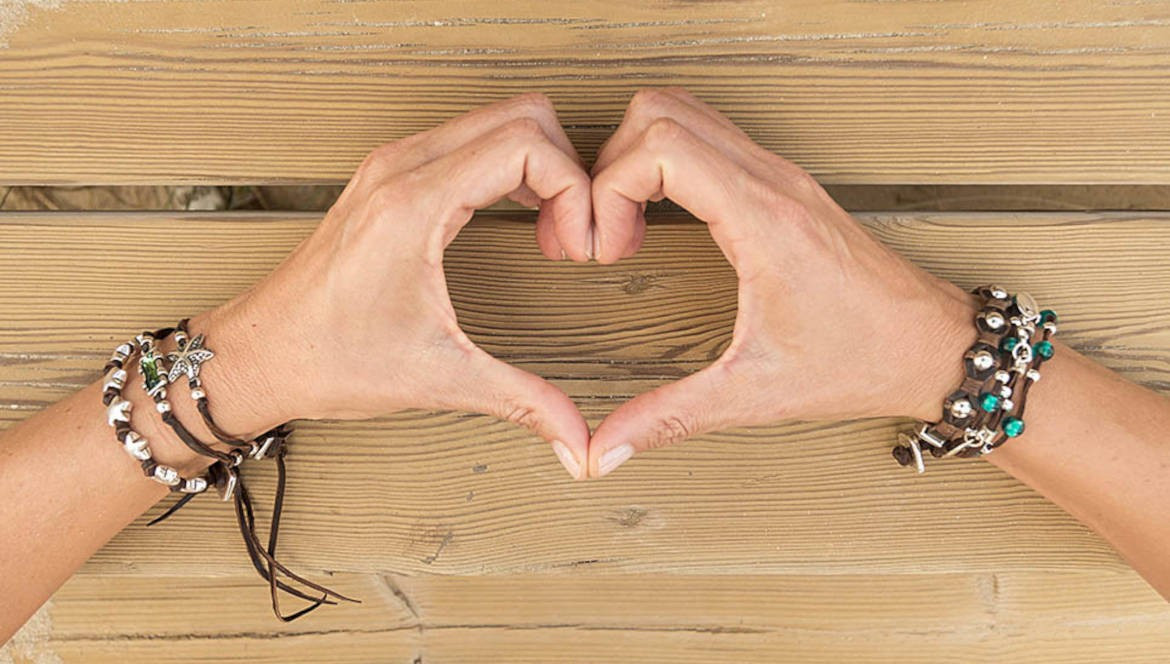
Discover why Xauen Original's sustainable leather craftsmanship is the real alternative to fast fashion. Handcrafted process, natural materials, and responsible Spanish production.
Why Choose Sustainable Craftsmanship: The Future of Fashion That Already Exists
Introduction: Fast Fashion Has a Price That Doesn't Appear on the Label
We buy more clothes and accessories than ever before, but we wear them for less time. The fast fashion industry produces millions of garments and accessories each season at very low prices—made possible by questionable quality materials, mass production, and poorly paid labor abroad—that end up in landfills within months.
In contrast to this model, sustainable craftsmanship offers a radically different alternative: objects made with high-quality natural materials, by skilled artisans, using environmentally friendly processes, and producing pieces designed to last for decades. At Xauen Original, we are part of this alternative, and in this article, we explain why it makes sense.
What is Sustainable Craftsmanship?
Sustainable craftsmanship is not simply 'green' or eco-labeled crafts. It is a production model that integrates three fundamental pillars:
1. Environmental Sustainability
The use of natural materials, production processes that minimize toxic waste, and products designed to last instead of being thrown away. The vegetable-tanned leather with natural tannins that we use at Xauen Original is a prime example: an age-old process that uses no heavy metals, employs biodegradable tannins, and produces a material that can last for decades.
2. Social Sustainability
Handcrafted work generates skilled and well-paid employment. Artisans are specialized professionals who have mastered techniques that have been perfected over centuries. Buying Spanish crafts directly supports these workers and the communities in which they operate.
3. Economic Sustainability
Sustainable crafts are not a charity model: they are a viable economic model that produces real value. The prices of quality crafts reflect the real costs of production—materials, time, skill—and generate margins that allow artisan workshops to survive and grow.
The Fast Fashion of Accessories: The Problem We Don't See
When we talk about fast fashion, we immediately think of clothing. But the same problem affects accessories: synthetic leather bracelets that peel within a year, bonded leather bags that break, and low-quality metal necklaces that rust in weeks.
These inexpensive accessories have a very short lifespan: they are bought, used briefly, and thrown away. But their impact doesn't disappear when they end up in the trash: synthetic leather (PU or PVC) is not biodegradable, and its microplastics pollute ecosystems. Bonded leather mixes resins and adhesives that also don't degrade easily.
A fact to consider
According to estimates from the fashion industry, the sector generates 10% of global CO2 emissions. Synthetic leather accessories represent a significant portion of the fashion industry's plastic waste, with millions of tons of PU and PVC ending up in landfills every year.
Vegetable-tanned leather as a sustainable option
When assessing the environmental impact of materials, it's not enough to look at the production process in isolation. The entire product lifecycle must be considered: from raw material sourcing to end-of-life.
The Lifecycle Argument
A cheap PU leather bracelet lasts, at best, 2-3 years. During that time, the buyer will likely have purchased 2-3 synthetic bracelets. A vegetable-tanned leather bracelet from Xauen Original, with basic care, can last 20, 30, or even more years. Over those two decades, the consumer will have generated a minimal fraction of the waste they would have produced with synthetic accessories.
Biodegradability
At the end of its lifecycle, vegetable-tanned leather is biodegradable. Collagen fibers tanned with natural tannins decompose naturally in the environment, leaving no toxic residue. Synthetic leather, on the other hand, can take hundreds of years to decompose and releases microplastics during that process.
The Use of Food Industry Byproducts
Natural leather comes from animals raised primarily for the food industry. Tanned hides are byproducts: if they weren't used, they would be disposed of as waste. In this sense, natural leather makes use of a resource that would otherwise be an environmental problem.
Spanish Craftsmanship: A Productive Fabric with History
Spain has a centuries-old tradition of leather craftsmanship. Tanneries in Catalonia, Valencia, Murcia, and Castile and León have been producing high-quality vegetable-tanned leather for generations. The Ubrique region (Cádiz) is internationally known as the 'world capital of luxury leather goods'. The artisan markets of Andalusia, Catalonia, and the Basque Country keep the tradition of handcrafted work in leather alive.
At Xauen Original, we are part of this Spanish production network. Working with vegetable-tanned leather of national origin is not just a quality decision: it's a geopolitical and social one. Reducing our dependence on materials imported from regions with laxer labor and environmental standards is part of our responsibility as a brand.
How to recognize a truly sustainable artisan brand
The term 'sustainable' has become a marketing label that many brands use without their practices justifying it. Here are the questions you should ask any brand that presents itself as artisanal and sustainable:
• Where is the product made? Local craftsmanship reduces the carbon footprint of transportation and guarantees decent working conditions.
• What is the exact material? Natural vegetable-tanned leather? Chrome-tanned leather? Synthetic leather? Transparency about the material is essential.
• How long has it been in the market? Authentic artisanal brands usually have a history. Longevity is a sign of authenticity.
• Does it have a repair policy? A brand truly committed to sustainability offers repair or care options to extend the lifespan of its products.
• How does it communicate its process? Genuine craftsmanship takes pride in its process. Brands that hide how they manufacture or where their materials come from deserve closer scrutiny.
The slow fashion movement: consume less and better
Slow fashion is the conscious response to fast fashion. It's not about not buying, but about buying differently: fewer items, of higher quality, responsibly made, and designed to last. Handcrafted accessories made of vegetable-tanned leather are perfect ambassadors of slow fashion:
• Quality over quantity: a handcrafted leather bracelet that lasts 20 years vs. ten synthetic bracelets that last 2 years each.
• Story over anonymity: each handcrafted piece has a story—the artisan who made it, the leather used, the process that shaped it—that mass-produced fashion products cannot offer.
• Investment over expenditure:Quality handcrafted accessories retain their aesthetic value and become timeless pieces that never go out of style.
Xauen Original's commitment to sustainable craftsmanship
At Xauen Original, we have built our brand on three non-negotiable commitments:
1. Certified quality materials
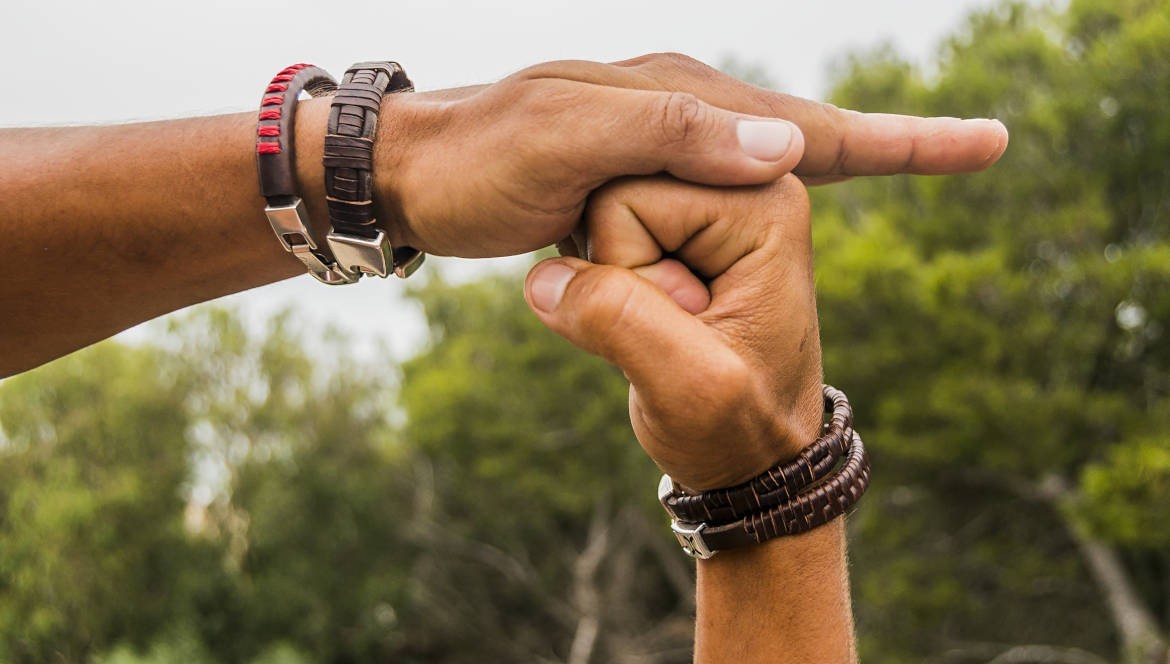
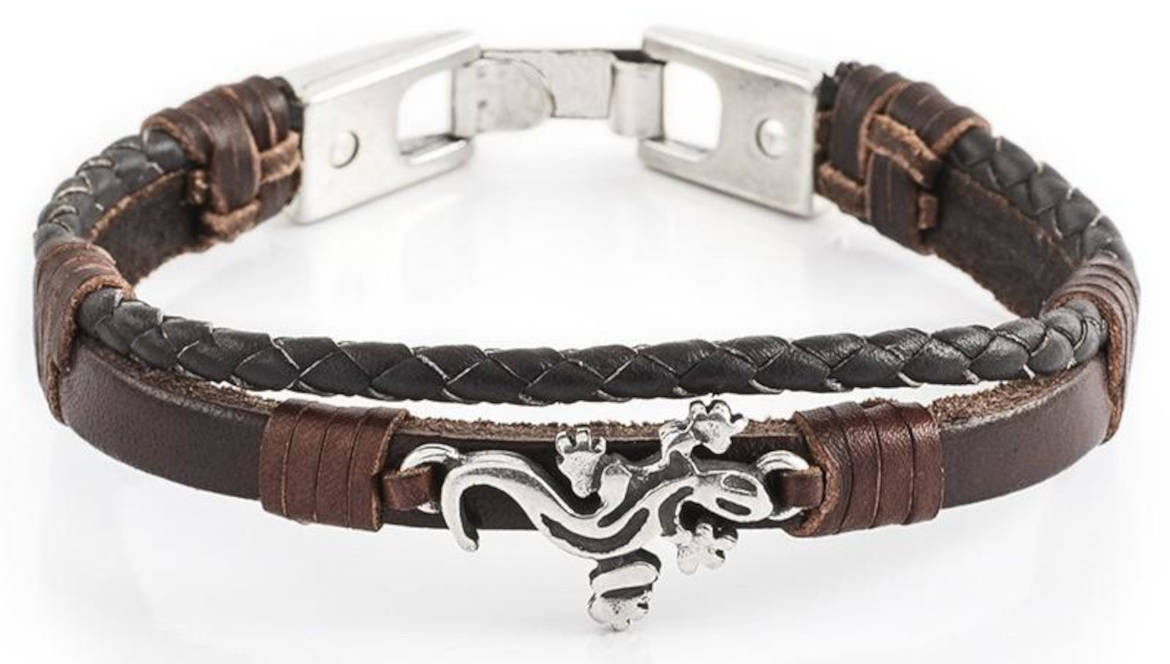
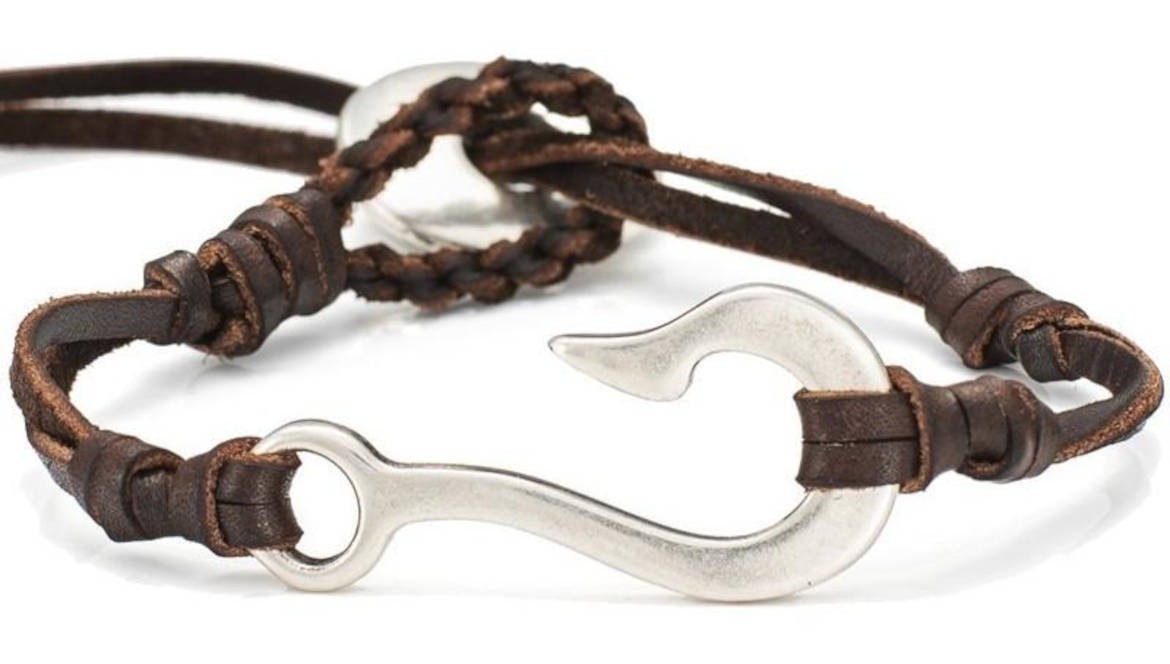
All the leather we use in our handcrafted leather bracelets, necklaces, handbags, and accessories is vegetable-tanned leather of Spanish origin. We do not use synthetic leather, bonded leather, or materials of uncertain origin. The cost is higher, but the result is a truly superior product.
2. Handcrafted production
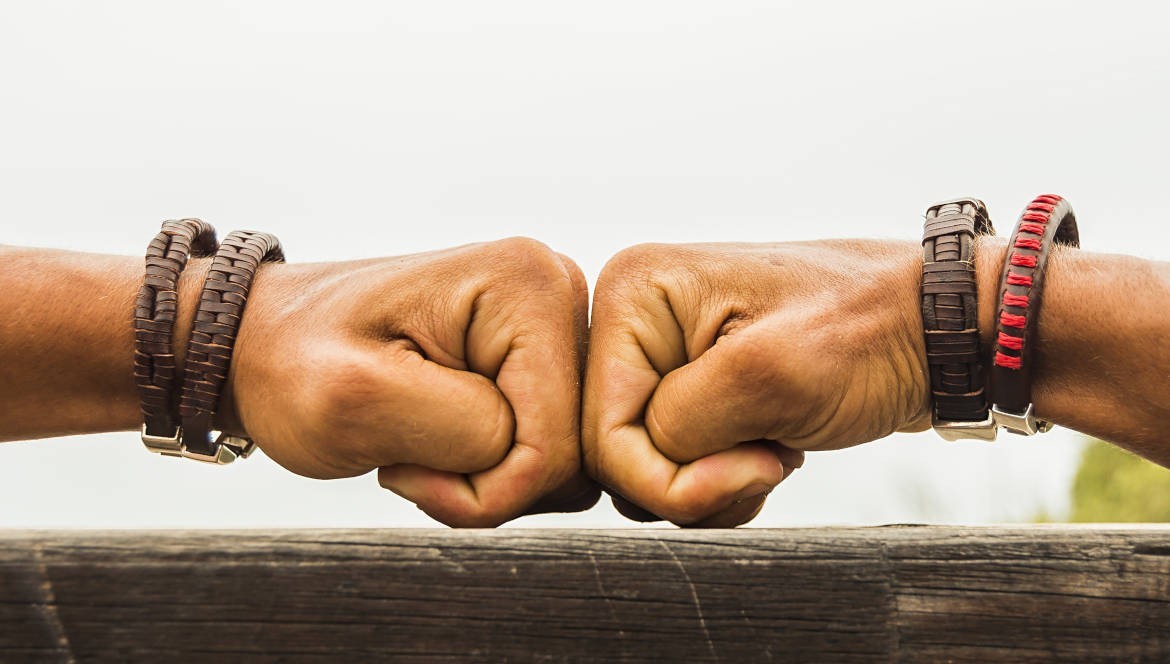
Our products are handcrafted by skilled artisans in our workshops. We do not use mass production or subcontracting with questionable working conditions. Every leather bracelet that leaves our workshop has passed through the hands of people who know and love their craft.
3. Design for durability
We design our products to last for decades, not seasons. The clasps, stitching threads, metal pieces, and assembly techniques are all chosen with longevity in mind. We don't want you to buy a new bracelet every year: we want the ones you have to last for decades.
Conclusion: Sustainable craftsmanship is the fashion of the future.
The future of fashion isn't about producing more and cheaper. It's about producing better, with responsible materials, transparent processes, and objects designed to last. Xauen Original's vegetable-tanned leather craftsmanship is part of that future.
When you choose a handcrafted leather bracelet from Xauen Original, you're not just choosing an accessory: you're voting for a different production model, for artisans, for natural materials, and for objects with soul. That's sustainable craftsmanship. And it already exists, here and now.