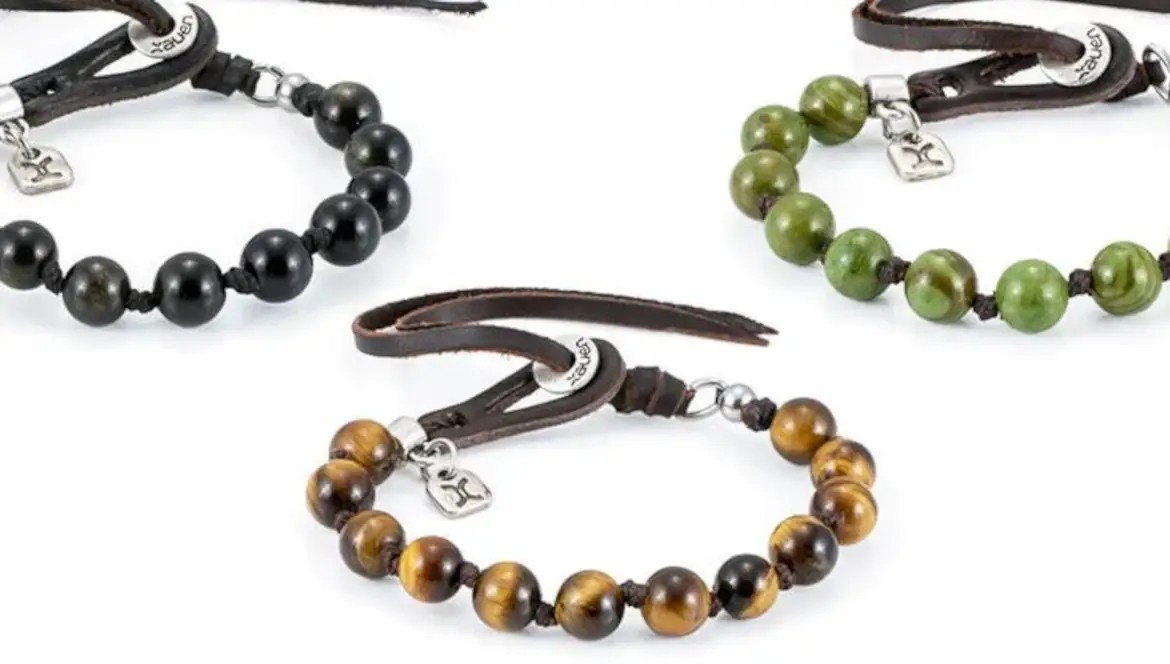

How to care for leather bracelets in summer: salt, sun and seawater | Xauen
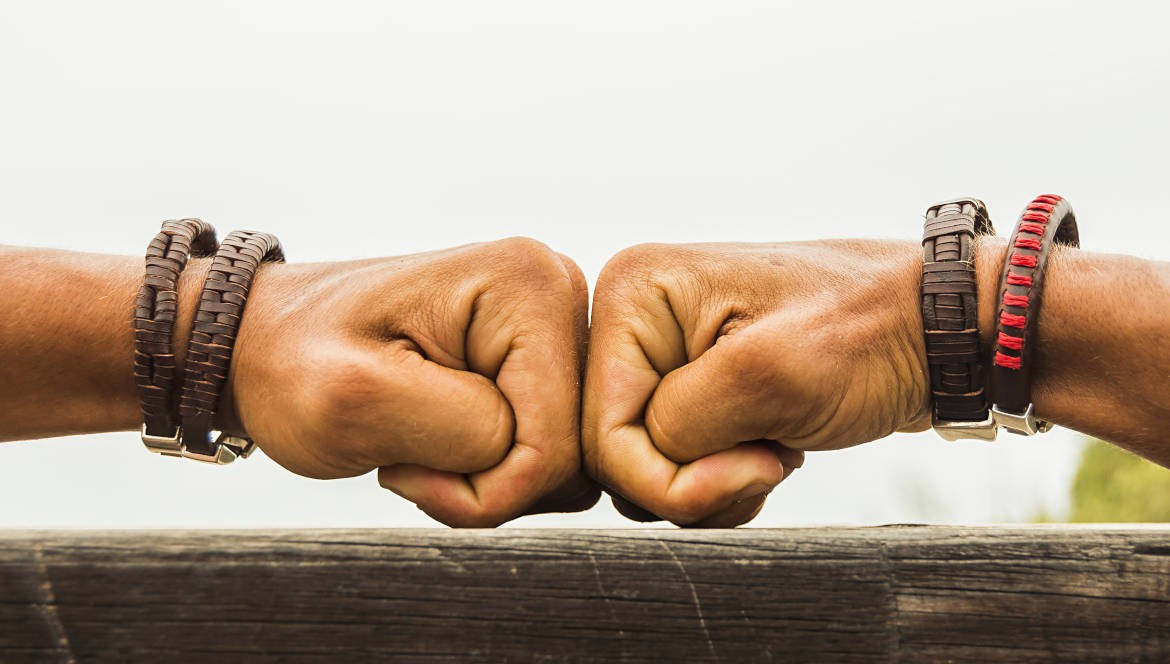
Summer is the worst enemy of poorly cared-for leather. A specific guide to preserving your vegetable-tanned leather bracelets and necklaces when you go to the beach, the pool, and in your daily life.
How to Preserve Your Leather Bracelets in Summer: Salt, Sun, and Sweat
A vegetable-tanned leather bracelet that survives a summer well can last for decades. One worn carelessly can deteriorate in no time. The difference isn't in the leather itself—which is an extraordinarily durable material—but in how it's treated. This guide explains exactly what summer does to leather, why, and what you can do about it.
Leather's Number One Enemy in Summer: Salt, Not Water
There's a common misconception that needs to be debunked from the start: the biggest risk to a leather bracelet in summer isn't water itself. Vegetable-tanned leather has been used for centuries in humid environments—saddles, work belts, boots—and with the right treatment, it withstands moisture well.
The real problem is salt. Both sea salt and the salt crystals that remain on the skin after sweating. When water evaporates, salt crystals remain in the leather fibers and act as a microscopic abrasive: they fragment the collagen fibers, dry out the material, and, over time, make it brittle. This process is gradual and invisible at first, but irreversible if not addressed promptly.
Sea salt also has a specific effect on leather pigments: it can lighten the tone, create uneven stains, and change the surface texture. On undyed, vegetable-tanned leather, this effect can be aesthetically pleasing—creating a natural aging effect—but on dyed leathers, it can permanently damage the finish.
Does this mean you can't wear your leather bracelet to the beach? Not necessarily. It means that if you do, you need to know what to do afterward.
What to do when the bracelet gets wet in the sea
If your vegetable-tanned leather bracelet gets wet with seawater, the protocol is simple but important to follow carefully:
- As soon as possible, rinse the bracelet with fresh water (tap water, without soap). The goal is to remove the salt crystals before the seawater evaporates and the crystals become embedded in the leather.
- Dry the bracelet with a soft cloth, without rubbing. Wet leather is more vulnerable to scratches and mechanical deformation: pat it dry, never rub it.
- Let it dry at room temperature, never with direct heat. A hairdryer, radiator, or direct sunlight on damp leather can shrink the material and create permanent deformations. Leather needs to dry slowly.
- Once completely dry, apply a small amount of leather conditioner or argan oil. The wetting and drying process removes some of the leather's natural oils; replenishing them is essential to prevent the material from becoming dry and brittle.
If you can't rinse it immediately—you're at the beach, the water ran out, whatever—the bare minimum is to dry it thoroughly with a cloth or towel, remove excess salt water, and rinse it as soon as you get home. The less time salt remains on the leather, the less damage it will do.
The sun dries out vegetable-tanned leather: how to moisturize it in summer
The sun is the second biggest risk factor in summer. Ultraviolet radiation degrades the collagen fibers in leather in a similar way to how it affects human skin: it dries it out, cracks it, and discolors it. Vegetable-tanned leather without any protective treatment, exposed to hours of direct sunlight, can begin to show signs of dryness in just a few weeks.
The symptoms of dry leather are easy to identify: the surface loses flexibility, small cracks appear at the folds (the clasp, the end of the bracelet), the color lightens, and the leather begins to pull instead of bending smoothly. If you see any of these signs, the leather needs moisturizing.
In summer, we recommend moisturizing leather bracelets more frequently than usual. While every two or three months is sufficient in winter, in summer it may be necessary to do so monthly, or even more often if the bracelet is worn daily and exposed to the sun. The simplest and most effective product is a basic alcohol-free moisturizer (the hand cream you have at home works perfectly in a pinch). For more targeted care, beeswax or argan oil are excellent options.
Application is simple: a few drops of product onto your fingertips, spread over the entire surface of the leather with gentle movements, let it absorb for a few minutes, and remove any excess with a clean cloth. There's no need to soak the leather: we want to nourish the fibers, not saturate them.
Sweat and Leather: What Happens and How to Prevent It
Sweat has a similar effect to seawater, although more gradual. It is slightly acidic and contains mineral salts that, accumulated over time, dry out and deteriorate the leather. In summer, with high temperatures and physical activity, this effect accelerates.
The good news is that vegetable-tanned leather is relatively tolerant of sweat, especially compared to industrial or synthetic leathers. Its natural fibers have a certain capacity to absorb and release moisture that PU lacks. But that doesn't mean it's immune.
If you wear your leather wristband during intense physical activity or on very hot days, it's best to remove it during those specific moments—a padel match, a surf session, a long swim—and put it back on once you've dried off. If that's not practical or you simply don't want to take it off, the post-swim cleaning protocol we explained above also applies to sweat.
There's a clear sign that the leather has accumulated too much sweat over time: a darker color than usual in the area that touches the wrist and a slight odor that doesn't disappear with ventilation. If this happens, a little saddle soap (a specific product for leather available in equestrian shops) can clean it thoroughly without damaging the material. For more regular cleaning, a damp cloth with clean water is sufficient.
5 Golden Rules for Leather in Summer
- Rinse with fresh water whenever the leather has been in contact with seawater.
- Dry at room temperature, never with direct heat.
- Moisturize more frequently in summer: at least once a month if used intensively.
- Remove the bracelet during strenuous water activities (surfing, swimming, diving).
- If you notice dryness or incipient cracks, act immediately: leather recovers well if cared for in time, but advanced damage is difficult to reverse.
A well-cared-for vegetable-tanned leather bracelet has a clear reward in summer: leather that receives sun, heat, and basic maintenance develops a natural patina—a darkening and softening of the surface—that gives it a unique character. Every Xauen Original bracelet that spends a well-cared-for summer carries the story of that summer in its texture. This is one of the reasons why vegetable-tanned leather has no substitute.
FREQUENTLY ASKED QUESTIONS
Can I swim with my leather bracelet in the sea?
You can, but it's not ideal. If you wear it in the shower, rinse it with fresh water as soon as you get out, gently pat it dry with a cloth, and let it air dry at room temperature. Avoid using a hairdryer and direct sunlight on the wet leather. Following this protocol, the leather can withstand occasional contact with seawater without deteriorating.
What if my leather bracelet gets deformed from water?
Vegetable-tanned leather can temporarily deform when wet. While it's still damp, you can reshape it with your hands and let it dry on a flat surface. Once dry, the leather will regain its rigidity and hold its shape. If it has deformed even after drying, lightly dampen it, reshape it, and let it dry again.
How often should I moisturize a leather bracelet in the summer?
In the summer, with daily wear and sun exposure, we recommend moisturizing every 4-6 weeks. In the winter, every two or three months is sufficient. Signs that leather needs hydration include a dull surface, loss of flexibility, and the first cracks appearing along the folds.
If your Xauen Original bracelet needs hydration or you have any questions about its care, please visit our care page or contact us directly. We make bracelets to last.
In Same Category
- Meaning of the gecko: luck, renewal and home | Xauen Original
- Meaning of the fishhook: adventure, patience, and the sea | Xauen Original
- Best Leather Bracelets for Men 2026 | Xauen Original
- How to Choose Your Leather Bracelet: The Ultimate Guide | Xauen Original
- How to Care for Your Leather Bracelets: A Complete Guide | Xauen Original