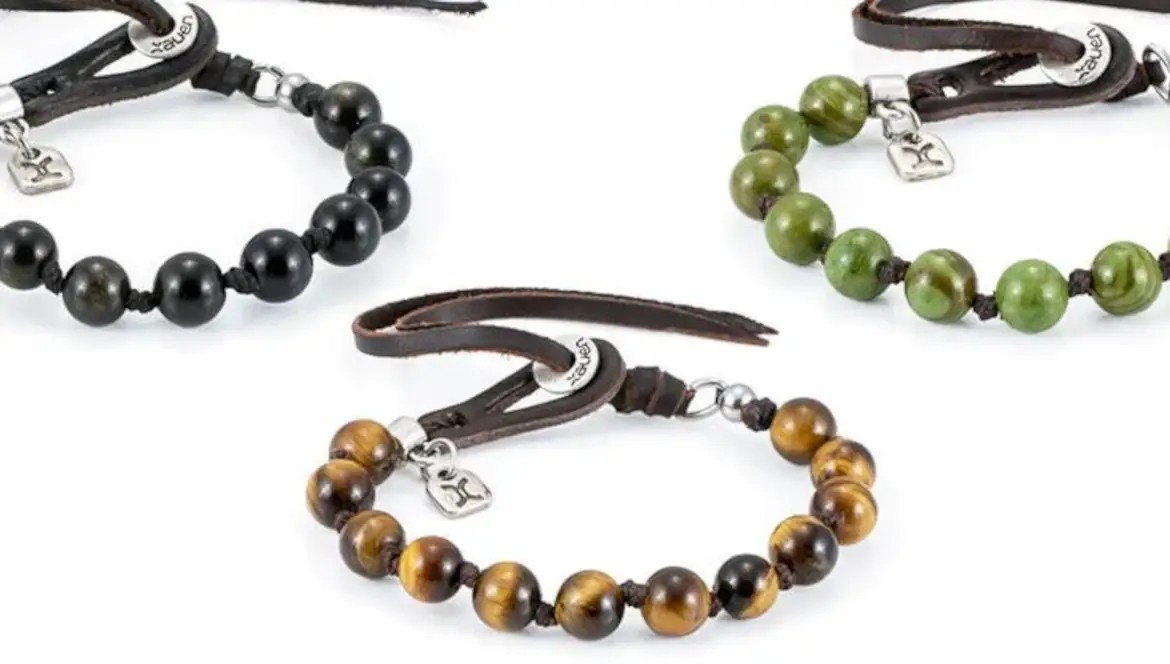

Natural Leather vs Synthetic Leather: Key Differences | Xauen Original
Learn to distinguish genuine leather from synthetic leather or PU before buying bracelets, bags, or accessories. A guide with practical examples from Xauen Original.
Natural Leather vs. Synthetic Leather: Differences You Should Know Before You Buy
The Market Is Full of False Promises
In recent years, the leather goods market has become saturated with confusing terms: 'eco-leather', 'vegan leather', 'PU leather', 'regenerated leather', 'bonded leather'... Many consumers buy without knowing exactly what they're getting, and are disappointed when their leather bracelet or bag peels, fades, or breaks after a year of use.
This guide will help you clearly and definitively understand the differences between natural leather—like the vegetable-tanned Spanish leather we use at Xauen Original—and the synthetic materials that fill fast-fashion stores and online marketplaces.
What types of 'leather' are available on the market?
Before comparing, you need to know the terminology. These are the main types of material sold under the name 'leather' or 'fur':
1. Full-grain natural leather
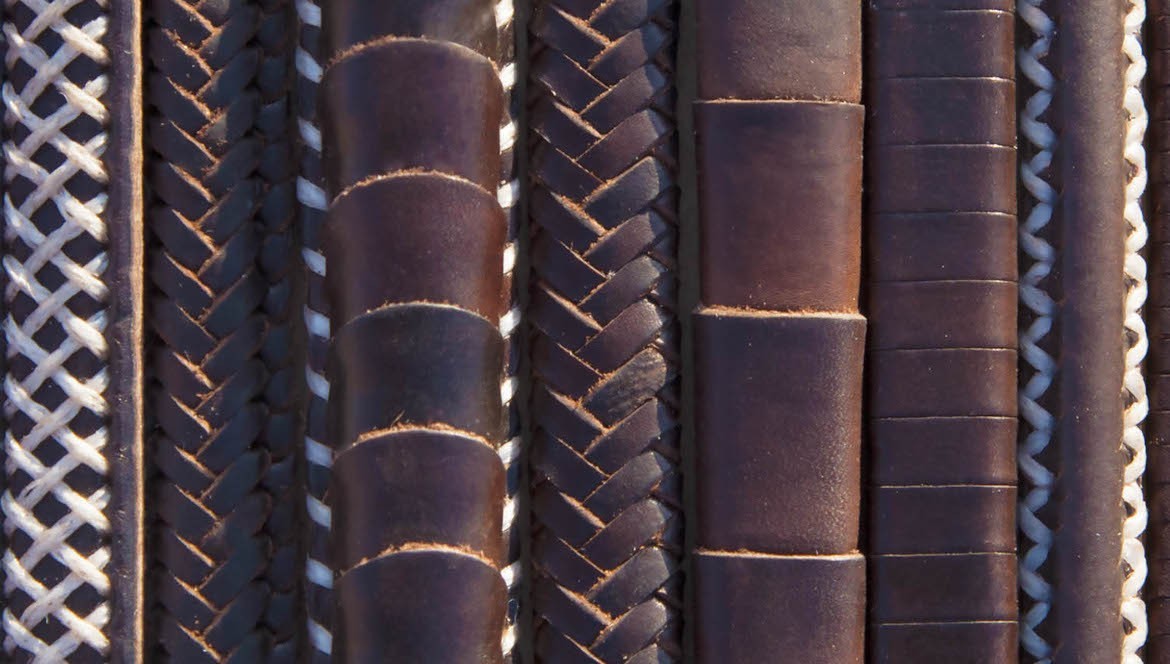
This is the highest quality leather. It is obtained from the outer layer of the animal's hide, without sanding or surface corrections. It displays the hide's natural markings (scars, variations in texture) and develops a beautiful patina over time. It is the most durable material and the most valued in luxury crafts.
2. Top-grain natural leather
This is genuine leather, but its surface has been sanded to remove imperfections and then finished with layers of paint or resin. It is more aesthetically uniform but less durable and does not develop a patina in the same way.
3. Split leather
This is obtained from the inner layers of the hide, which remain after the grain has been separated. It is real leather but of lower quality. It is frequently used for linings and low-cost items.
4. Bonded or Reconstituted Leather
This is the lowest quality type of 'natural' leather. It is manufactured by mixing discarded leather fibers (dust and scraps) with plastic resins and adhesives. The result is a surface that may look like leather but peels and deteriorates within a few months. It may contain only 10-20% real leather.
5. PU Leather (Polyurethane)
This is completely synthetic. It contains no real leather. It is made with layers of polyurethane over a textile base. Some manufacturers call it 'vegan leather' or 'eco-leather,' terms that can be misleading. It has a very limited lifespan: typically 2-4 years before it starts to peel.
6. PVC (Polyvinyl Chloride)
Another synthetic material, more rigid and less breathable than PU. It is used in very inexpensive items. Its production is highly polluting, and it is not biodegradable.
7. Next-Generation Leather (Piñatex, Mylo, Apple Leather)
These are alternative materials made from pineapple fibers, fungal mycelium, or apple waste. They are genuinely vegan and sustainable, but their mechanical properties still don't match natural leather in terms of durability and aging.
Natural vs. Synthetic Leather: A Detailed Comparison
|
Appearance |
Natural Leather |
Synthetic Leather (PU/Bonded) |
|
Durability |
✓ Decades with care |
✗ 2-5 years maximum |
|
Aging |
✓ Improves (develops patina) |
✗ Deteriorates (peeling) |
|
Breathability |
✓ High (natural pores) |
✗ Low (plastic surface) |
|
Odor |
✓ Natural and earthy |
✗ Chemical or plastic |
|
Sustainability |
✓ Biodegradable |
✗ Non-biodegradable |
|
Repairability |
✓ High (can be restored) |
✗ Low (no repair) |
|
Comfort to the touch |
✓ Improves over time |
✗ May become stiff or sticky |
|
Price |
✓ Higher initial investment |
✗ Economical but perishable |
|
Long-term value |
✓ Excellent (cost per use Low) |
✗ Low (replace frequently) |
|
Identification |
✓ Pores, veins, warm feel |
✗ Perfectly uniform texture |
How to Identify Genuine Leather from Synthetic Leather: Practical Tests
It's not always easy to distinguish genuine leather from synthetic leather just by looking at it. Here are some simple tests you can do before buying:
The Smell Test
Genuine leather has a distinctive aroma: earthy, warm, and slightly animal-like. Synthetic leather smells like plastic, adhesive, or chemicals. This test is especially useful when shopping in a physical store.
The Touch Test
Genuine leather has a temperature that changes when you touch it: it feels cool at first and then warms up with the heat of your hand. Synthetic leather maintains a consistent temperature. Additionally, genuine leather has a breathable surface: you can feel the natural pores with your fingertip.
The Water Test
Place a drop of water on the surface. Genuine leather will partially absorb it, leaving a small dark stain that disappears as it dries. Synthetic leather will repel water or allow it to remain on the surface without being absorbed.
The Edge Test
Examine the edges of the item. Quality natural leather shows light brown fibers along the cut edges. Synthetic leather edges are perfectly smooth and uniform, often a uniform dark color or painted.
The label test
Look for the manufacturer's label. In Europe, leather goods must clearly state whether they are made from 'genuine leather', 'natural hide', or 'synthetic material'. The term 'eco-leather' or 'vegan leather' without further specification should raise a red flag.
Rule of thumb: If the price of a leather bracelet, leather bag, or leather belt is extremely low, it is very likely not genuine natural leather. Quality vegetable-tanned leather has a production cost that doesn't allow for bargain prices.
The real environmental impact: Which is more sustainable?
This is one of the most complex issues in the fashion accessories industry. There is a narrative that automatically assumes synthetic is more sustainable because it doesn't come from animals. The reality is much more nuanced:
Synthetic PU Leather
It is produced from petroleum derivatives, a non-renewable resource. Its manufacturing process generates significant emissions of volatile organic compounds (VOCs). At the end of its useful life, it is not biodegradable and ends up in landfills or incinerators. It needs to be replaced more frequently, which increases its cumulative carbon footprint.
Vegetable-Tanned Natural Leather
It uses hides that are byproducts of the food industry (if they weren't tanned, they would become waste). Vegetable tanning uses naturally occurring tannins and doesn't generate the toxic waste of chrome tanning. It is biodegradable and repairable. A single piece of vegetable-tanned leather can last for decades, drastically reducing long-term consumption.
According to studies by Leather Naturally, when comparing the entire life cycle, a vegetable-tanned leather bracelet that lasts 20 years has a significantly lower carbon footprint per year of use than several synthetic bracelets that need to be replaced every 2-3 years.
Why do we at Xauen Original always choose natural leather?
At Xauen Original, the choice is philosophical as well as technical. We make handcrafted leather bracelets, necklaces, and accessories because we believe in objects that last, in materials that improve with use, and in craftsmanship as an honest alternative to fast, disposable fashion.
The vegetable-tanned leather of Spanish origin that we work with allows us to offer pieces that our customers can wear for years, that improve with age, and that have a real and positive impact in terms of value for money. It's not the cheapest material, but it is the most honest and the one that best represents our values of genuine craftsmanship.
Frequently Asked Questions: Natural Leather vs. Synthetic Leather
Is PU leather better for people with leather allergies?
It depends on the type of allergy. Some people are allergic to the dyes or finishes of natural leather, in which case PU may be an alternative. However, PU also contains potential allergens such as isocyanates. If you have any concerns about allergies, consult a dermatologist.
Can I clean genuine leather the same way I clean synthetic leather?
No. Genuine leather requires specific products (leather moisturizers, saddle soap). Water and harsh detergents can damage it. PU synthetic leather can be cleaned with a damp cloth, but it will deteriorate over time regardless of care.
Do synthetic leather bracelets "look the same" as genuine leather ones?
Initially, they can be difficult to distinguish to the untrained eye. However, with use, the differences become clear: synthetic leather peels, loses flexibility, or becomes sticky, while natural leather develops a unique patina and character.
Invest in quality, invest in genuine craftsmanship.
Choosing between natural and synthetic leather is, essentially, choosing between lasting quality and fast consumption. Xauen Original's handcrafted leather bracelets, made with vegetable-tanned leather from Spain, represent an investment in real quality: pieces that will be with you for years, that tell your story, and that will never peel or deteriorate prematurely.
The next time you're about to buy a leather bracelet, necklace, or leather bag, ask yourself: Do I want something that will last a year or two, or do I want a handcrafted piece that will improve with age and tell my story? The answer will guide you toward the right choice.