
Vegetable-Tanned Leather: What It Is, Benefits and Why Choose It | Xauen Original
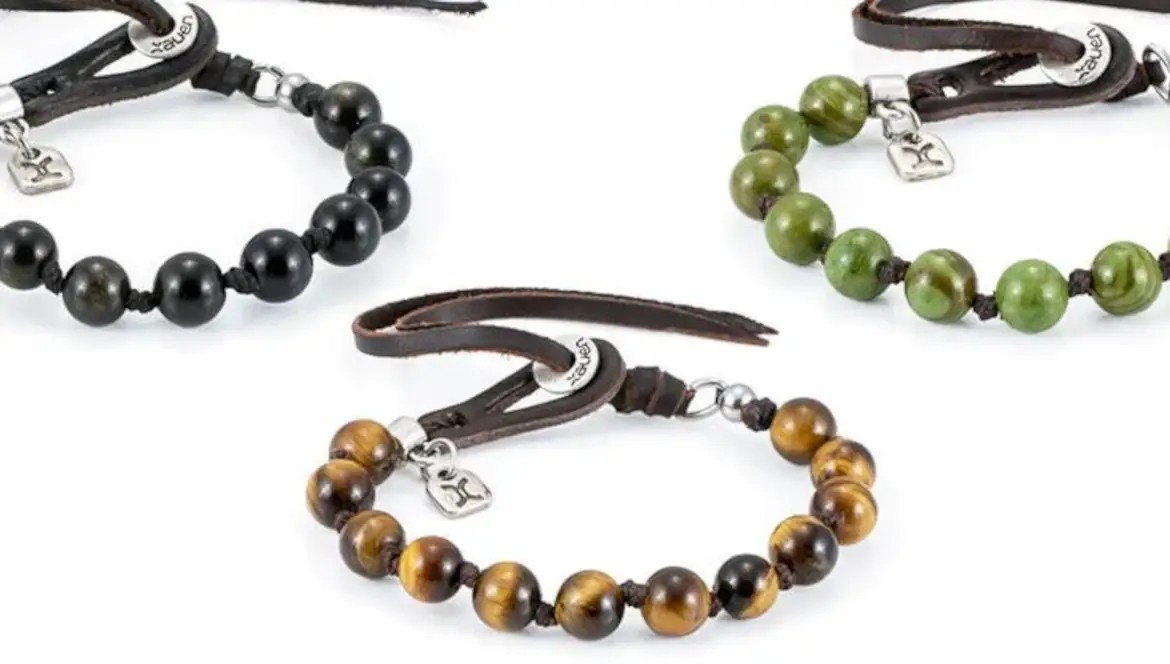
Discover what vegetable-tanned leather is, how it is handcrafted, its advantages over chrome-tanned leather, and why it is the ideal material for quality leather bracelets and necklaces.https://xauenoriginal.com/gb/29-liming
What is Vegetable-Tanned Leather?
The Secret Behind the Best Handmade Leather Accessories
When you're looking for a quality leather bracelet, a handcrafted necklace, or a bag that will last for decades, there's one term that makes all the difference between an ordinary accessory and an exceptional piece: vegetable-tanned leather. At Xauen Original, we work exclusively with this type of leather—of Spanish origin—because we believe that true craftsmanship begins with choosing the best materials.
In this article, we explain in detail what vegetable-tanned leather is, how it's produced, what differentiates it from other types of leather, and why it's the best option for making handcrafted leather bracelets, necklaces, and accessories that improve with age.
What is Vegetable-Tanned Leather? Definition and Origin
Vegetable-tanned leather, also known as vegetable-tanned leather or simply vegetable leather, is a type of leather processed using naturally occurring tannins extracted from the bark of trees such as oak, chestnut, mimosa, or quebracho. It is the oldest tanning method in the world, with over 5,000 years of documented history.
Unlike chrome-tanned leather—which dominates the industrial market due to its low cost and speed of production—vegetable tanning is a slow, artisanal process that can last between 30 and 90 days, depending on the thickness of the hide and the tanning formula used. This extended time allows the tannins to penetrate deeply into the leather fibers, giving it unique and unrepeatable properties.
Did you know?
Vegetable-tanned leather is the only type of leather that can be recycled and biodegraded naturally. Chrome-tanned leathers, on the other hand, contain heavy metals that make them difficult to treat and highly polluting to the environment.
The vegetable tanning process step by step
1. Leather selection and preparation
It all begins with the careful selection of bovine hides. High-quality vegetable-tanned leather—like that used at Xauen Original—is primarily made with cowhides sourced from the Spanish food industry. This local sourcing reduces the carbon footprint and guarantees quality control from the very beginning.
The hides arrive at the tannery either salted or fresh. The first step is soaking them in clean water to remove the salt and rehydrate the fibers. Next, they undergo a dehairing and fleshing process to remove the hair, epidermis, and any remaining fat.
2. The Tannin Bath: The Heart of the Process
Once prepared, the hide is placed in vats or drums containing increasingly concentrated vegetable tannin solutions. The tanner—a skilled artisan—precisely controls the temperature, pH, and time. The tannins bind with the collagen proteins in the hide, stabilizing the fibers and transforming the perishable organic matter into durable leather.
This process can take anywhere from a few weeks with more modern methods to several months with traditional pit tanning. The result is a firm, substantial leather that readily absorbs natural oils and dyes.
3. Oiling, Greasing, and Finishing
After tanning, the leather is pressed, stretched, and slowly dried. It is then greased with natural oils such as cod liver oil or beeswax to give it flexibility and moisture resistance. The final finish can be natural (undyed) or dyed with organic dyes that penetrate deeply into the fibers.
|
Characteristics |
Vegetable-tanned leather |
Chrome-tanned leather |
|
Tanning time |
30-90 days |
1-2 days |
|
Tanning agent |
Tree tannins |
Chromium(III) salts |
|
Durability |
Decades (improves with use) |
Years (ages poorly) |
|
Environment |
Biodegradable, eco-friendly |
Toxic residues |
|
Patina develops over time |
Yes, it acquires character |
No, it deteriorates |
|
Texture |
Firm and substantial |
Soft and flexible from the start |
|
Price |
Higher (artisanal) |
Lower (industrial) |
|
Suitable for crafts |
Excellent |
Limited |
Why is vegetable-tanned leather ideal for handcrafted bracelets and necklaces?
In the production of quality handcrafted leather bracelets and necklaces, the choice of material is paramount. Vegetable-tanned leather offers specific advantages that make it irreplaceable for leathercraft:
1. Malleability and precision in handcrafted work
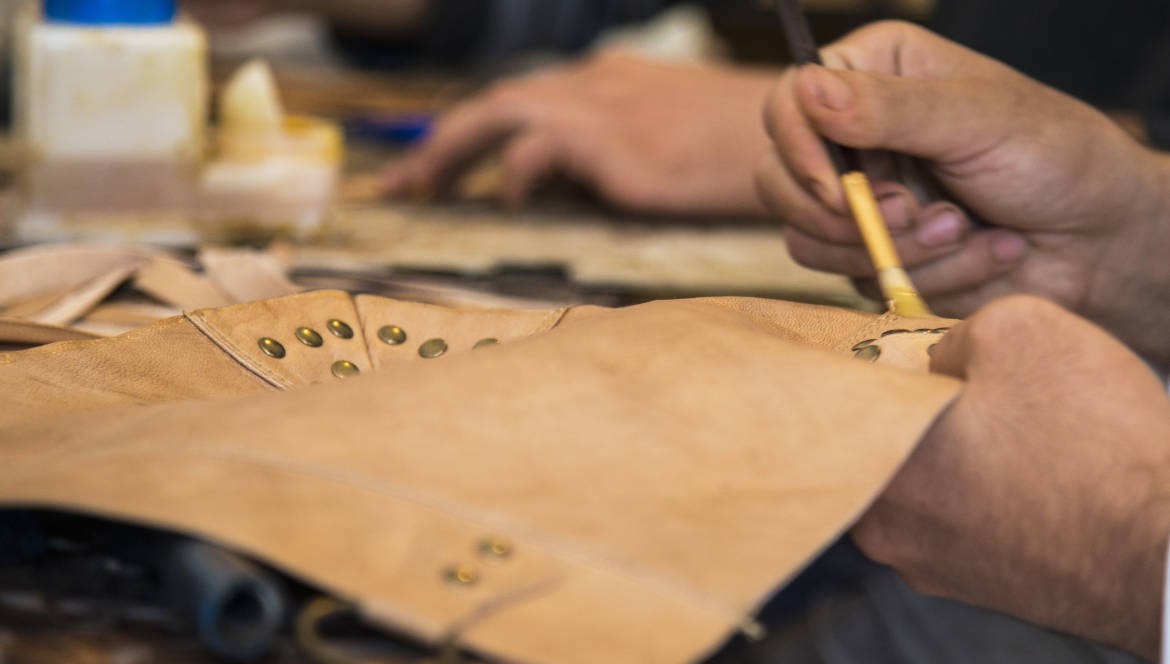
Vegetable-tanned leather has an initial firmness that allows it to be cut with millimeter precision, pierced without tearing, and shaped with engraving tools. This controlled rigidity is fundamental for creating the precise shapes of our braided bracelets, the reliefs of the Gades and Diana collections, and the fine jewelry finishes of the Rumi collection.
2. Patina: leather that improves with age
One of the most valued qualities of vegetable-tanned leather is its ability to develop a unique patina with use. Unlike industrial leather, which wears down and loses color, vegetable-tanned leather absorbs the skin's natural oils, body heat, and sunlight, developing warmer, deeper tones over time. Each vegetable-tanned leather bracelet tells the story of its wearer.
3. Exceptional Strength and Durability
A well-cared-for vegetable-tanned leather bracelet can last for decades. The collagen fibers, fully stabilized by tannins, do not break or peel as they do with bonded leather or low-quality chrome leather. At Xauen Original, we offer pieces that can last a lifetime.
4. Sustainability and Environmental Awareness
Vegetable-tanned leather is the most sustainable option among natural leathers. The process does not use heavy metals or harmful synthetic chemicals. Wastewater from vegetable tanneries is easier to treat, and the resulting leather is biodegradable at the end of its life. By choosing vegetable-tanned leather accessories, you support a more responsible production chain for the planet.
Spanish vegetable-tanned leather: certified quality
At Xauen Original, we work exclusively with vegetable-tanned leather of Spanish origin. Spanish tanneries, especially those in Cataluña, Valencia, Murcia and Castilla, have a centuries-old tradition of working with high-quality leather, which has made Spain an international benchmark in leather craftsmanship.
This Spanish vegetable-tanned leather meets the most demanding European standards for sustainability and quality, guaranteeing that every handcrafted leather bracelet and every leather necklace we produce in our workshops meets the highest industry standards.
How to recognize quality vegetable-tanned leather
If you want to distinguish genuine vegetable-tanned leather from imitations, here are the signs to look for:
• Natural, earthy scent: Vegetable-tanned leather has a characteristic, soft, and natural aroma. It smells like real leather, not chemicals or plastic.
• Edges without plastic finish: The edges of untreated vegetable-tanned leather show the natural fibers. Chrome-tanned leathers usually have edges painted with plastic lacquers.
• Reaction to water: A few drops of water on vegetable-tanned leather leave a temporary dark stain that disappears when dry. Chrome-tanned leather tends not to absorb water in the same way.
• Initial firmness: Vegetable-tanned leather is stiffer than chrome-tanned leather of similar thickness. This firmness softens with use.
• Gradual color change: With use, vegetable-tanned leather gradually changes tone towards warmer and amber colors. If there is no change over time, it is likely chrome-tanned or synthetic leather.
Frequently Asked Questions about Vegetable-Tanned Leather
Is vegetable-tanned leather vegan?
No. Vegetable-tanned leather is a natural leather of animal origin (primarily bovine). The term 'vegetable' refers to the tanning agent used—plant tannins—not the origin of the material. If you're looking for vegan alternatives, there are materials like cork, Piñatex, or apple leather, although none match the mechanical and aesthetic properties of genuine leather.
How long does vegetable-tanned leather last?
With proper care, a piece of vegetable-tanned leather can last for decades. Many artisans and collectors have vegetable-tanned leather pieces that are 20, 30, or even 50 years old and still in perfect condition. The key is regular maintenance with natural oils or specific leather creams.
Can vegetable-tanned leather get wet?
Vegetable-tanned leather can get wet, but it's not advisable to submerge it in water for extended periods. If it does get wet, it should be dried slowly at room temperature, away from direct heat sources. Once dry, apply a small amount of leather oil or cream to restore moisture.
Which Xauen Original collections use vegetable-tanned leather?
All our collections are made with vegetable-tanned leather of Spanish origin. From Gaucho and Gades braided bracelets to Diana designer bracelets, Liming necklaces, Zhenzhu bracelets, and handcrafted leather bags, it's our commitment to quality and genuine craftsmanship.
Conclusion: Craftsmanship Excellence Begins with the Material
Vegetable-tanned leather is not simply a material: it's a working philosophy that respects natural time, traditional processes, and the final result. At Xauen Original, we choose this leather because we share these values: we believe in lasting craftsmanship, accessories that tell stories, and materials that improve with age.
When you wear a handcrafted leather bracelet from Xauen Original, you're wearing decades of Spanish tanning tradition, the work of expert artisans, and a commitment to genuine quality. That's what sets a vegetable-tanned leather bracelet apart from any other accessory on the market.
Xauen Original Tip: If you want your vegetable-tanned leather bracelet or necklace to last longer and develop a beautiful patina, apply a small amount of beeswax or walnut oil occasionally. You'll notice how the leather gains more shine and depth of color with each application.