
How to Care for Your Leather Bracelets: A Complete Guide | Xauen Original
Learn how to care for, clean, moisturize, and preserve your handcrafted leather bracelets. Xauen Original's expert guide will help your leather accessories last for decades.
How to Care for Your Leather Bracelets: A Complete Maintenance Guide
Leather needs care, but it repays you many times over
A handcrafted leather bracelet is much more than an accessory: it's a living piece that breathes, absorbs the wearer's story, and improves with time when properly cared for. Unlike synthetic materials that inevitably deteriorate, quality vegetable-tanned leather can last for decades if you know how to treat it.
At Xauen Original, we've been crafting handmade leather bracelets for many years and have learned—both in the workshop and by listening to our customers—what care makes the difference between a bracelet that looks perfect for 20 years and one that loses its charm after just a year of use. This comprehensive guide compiles all that knowledge.
Basic Principles of Leather Care
Before getting into the specific procedures, it's helpful to understand what damages leather and what benefits it. Vegetable-tanned leather is essentially stabilized animal hide: it needs hydration, protection from extreme temperatures, and to be kept away from harsh chemicals.
The 4 Main Enemies of Leather
• Excess Water: Water softens the leather fibers, and if it dries quickly or in the sun, it can cause stiffness, cracking, and permanent stains.
• Direct Heat: Intense sunlight and heat sources (radiators, hair dryers) dehydrate the leather and make it brittle. Dry leather cracks and does not recover easily.
• Chemicals: Colognes, moisturizers, hairsprays, solvents, and harsh detergents attack the leather surface and can permanently change its color.
• Abrasion and Pressure: Continuously rubbing the bracelet against rough surfaces or repeatedly bending it at the same point can weaken the fibers.
Step-by-Step Leather Bracelet Cleaning Guide
Basic Cleaning (Every 1-2 Weeks)
For regular maintenance of your leather bracelets, you only need:
• A soft cotton or microfiber cloth, slightly damp (not wet).
• A small amount of saddle soap, which you can find at equestrian or leather goods stores.
Procedure:
1. Dampen the cloth with warm water. Wring it out well so it doesn't drip.
2. Gently rub the surface of the bracelet in small circles to remove dust and surface dirt.
3. If there is more stubborn dirt, apply a small amount of saddle soap to the cloth and rub carefully.
4. Remove any soap residue with a clean, damp cloth.
5. Let the bracelet dry at room temperature, away from heat and direct sunlight.
Deep Cleaning (every 2-3 months)
Every so often, especially if you wear the bracelet daily or if it has been exposed to dirt, sweat, or moisture, it's a good idea to do a deeper cleaning:
6. First, perform the basic cleaning described above.
7. Once the bracelet is clean and dry, apply a small amount of leather cream or oil (see the moisturizing section).
8. Rub with a soft cloth in circles so the product penetrates the fibers well.
9. Leave on for 10-15 minutes.
10. Gently polish with a dry cloth to remove excess and add shine.
Craftsman's tip: To clean grease or oil stains on light-colored leather bracelets, apply a little talcum powder or cornstarch to the stain and leave it overnight. The powder absorbs the grease. The next day, remove it with a soft brush, and the stain will have disappeared or been significantly reduced.
How to Properly Moisturize Your Leather Bracelets
Moisturizing is the most important aspect of leather care. Well-moisturized leather is supple, durable, and retains its shine. Dry leather becomes stiff, loses color, and eventually cracks.
Recommended Products for Moisturizing Leather Bracelets
• Beeswax: The best natural moisturizer for vegetable-tanned leather. It penetrates deeply into the fibers, provides a slight waterproofing effect, and imparts a warm, natural sheen. Bee Natural Conditioner or pure beeswax are excellent options.
• Mink or walnut oil: Natural oils that deeply nourish leather. Use them sparingly, especially in very dry or cracked areas.
• Creams specifically formulated for vegetable-tanned leather: Brands like Saphir, Fiebings, and Pecard manufacture creams specifically designed for this type of leather. These are highly recommended by professional artisans.
• Olive oil (emergency use): If you don't have another product on hand, olive oil can temporarily moisturize the leather, but it may darken it. Use it only in cases of extreme dryness and on dark-colored bracelets.
Products YOU SHOULD AVOID:
• Petroleum jelly: does not penetrate leather and can clog natural pores.
• WD-40 oil: is not formulated for leather and can damage the finish.
• Moisturizing creams for human skin: contain alcohol and fragrances that attack leather.
• Liquid shoe polish on unfinished bracelets: can permanently change the color.
How to protect your leather bracelets from moisture and water
Vegetable-tanned leather bracelets are not waterproof, but they are not as fragile as many believe. With proper protection, they can withstand occasional rain and exposure to sweat without problems.
Preventive waterproofing
To protect your leather bracelet from moisture, apply a leather-specific waterproofing spray or the beeswax mentioned above once or twice a year. This treatment does not prevent the leather from breathing, but it creates a barrier that makes it difficult for water to penetrate.
If your bracelet gets wet
1. Do not try to dry it quickly with a hairdryer, radiator, or other heat source. This will cause the leather to shrink and crack.
2. Gently blot away excess water with an absorbent cloth.
3. Reshape the bracelet (especially if it has braided elements) and let it air dry at room temperature in a well-ventilated area.
4. Once dry (this may take several hours or even a day), apply a small amount of leather cream or wax to restore lost moisture.
How to store your leather bracelets
Proper storage is essential for the longevity of your handcrafted leather bracelets:
• Avoid folding them: Store bracelets flat or gently rolled up. Do not bend them at a sharp angle or compress them with other heavy objects.
• Keep away from direct sunlight: UV light fades and dries out leather. Store your bracelets in a drawer, box, or case away from windows.
• Proper ventilation: Do not store leather in airtight plastic bags. Leather needs to breathe. Use cloth bags or wooden boxes.
• Humidity control: Excessive humidity can cause mold to grow on leather. If you live in a very humid environment, place a silica gel packet in the storage area.
Specific care according to the type of leather bracelet
Braided leather bracelets (Gaucho, Gades, Paracord)
Braided leather bracelets have more surface area exposed to the environment, which makes them more prone to getting dirty in the grooves of the braid. Use a soft brush (such as a soft-bristled toothbrush) to reach the areas between the strands. Apply leather cream with your fingers to ensure it reaches all parts of the braid.
Leather bracelets with metal pieces (Zhanshi, Cyrus, Diana)
The metal pieces on our bracelets—which are silver-plated—may tarnish over time. To clean them, use a slightly damp microfiber cloth. Do not use silver cleaning products on leather, as they can tarnish it. If the pieces are heavily oxidized, a little baking soda applied with a damp cloth usually works well on the metal.
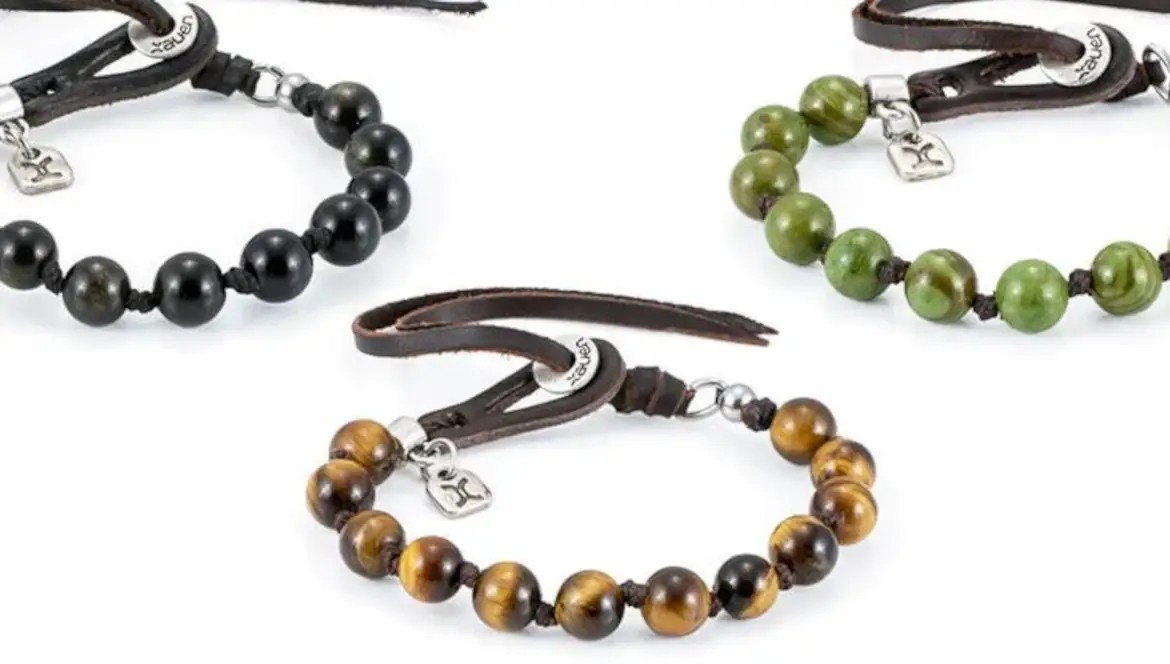
Natural Stone and Leather Bracelets (Rumi, Zhenzhu)
Natural stones such as quartz, lapis lazuli, or obsidian are quite durable, but some can be sensitive to acids or temperature changes. Clean the stones with a dry or slightly damp cloth. Do not submerge bracelets with natural stones in water, as some minerals are porous and can absorb moisture or dyes.
Leather Bracelets with Stitching or Embroidery (Nautilus)
The stitching threads can fray if cleaned with harsh products. Use only mild soap and water in these areas. If a thread frays, cut it with small scissors without pulling on it to avoid further unraveling the stitching.
Frequently Asked Questions about Leather Care
How often should I clean my leather bracelets?
If you wear them daily, a basic cleaning every 1-2 weeks and monthly conditioning is sufficient to keep them in good condition. Bracelets worn occasionally can be cleaned before and after storing them for a while.
Can I wear my leather bracelet to the beach or pool?
It's not recommended. Seawater contains salt that can stain and harden leather, and pool chlorine can discolor and weaken it. If your bracelet gets wet with seawater, rinse it immediately with fresh water and dry it at room temperature.
What should I do if my leather bracelet has cracked?
If the leather is cracked but not broken, it's a sign that it's very dry. Apply several generous coats of leather oil or cream, allowing each coat to be absorbed before applying the next. Small cracks can be repaired. Deep cracks are irreversible, but the leather can still be used.
How long does a Xauen Original leather bracelet last?
With the basic care described in this guide, our vegetable-tanned leather bracelets can last for decades. We have customers who have worn Xauen Original bracelets for over 10 years and, over time, they have developed a unique patina and character that they wouldn't trade for anything.
Care is part of the artisanal experience.
Caring for a handcrafted leather bracelet is part of the relationship you establish with a quality object. The ritual of cleaning, moisturizing, and regular care connects you with the piece, allows you to observe its evolution, and gives you the satisfaction of knowing you are preserving an object crafted with handwork, genuine materials, and artisanal passion.
At Xauen Original, we design our leather bracelets to last a lifetime. But to make that possible, we need your help. With these basic care tips, we promise your handcrafted leather bracelet will be with you far longer than you can imagine.
In Same Category
- Meaning of the gecko: luck, renewal and home | Xauen Original
- How to care for leather bracelets in summer: salt, sun and seawater | Xauen
- Meaning of the fishhook: adventure, patience, and the sea | Xauen Original
- Best Leather Bracelets for Men 2026 | Xauen Original
- How to Choose Your Leather Bracelet: The Ultimate Guide | Xauen Original